
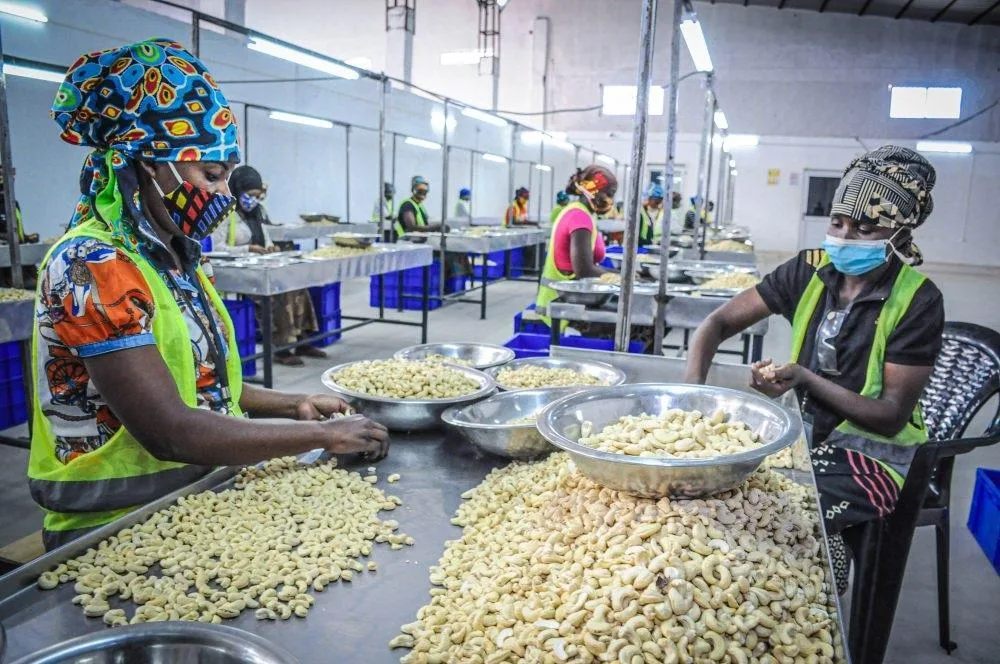
Significant losses in agricultural revenue
Maputo — Mozambique has lost an estimated MZN 457 million, equivalent to approximately US$7.2 million at the exchange rate cited in the report, through cashew nut smuggling over the past three years.
Agriculture Minister Roberto Albino disclosed the figures during the first meeting of the Cashew Committee, calling for stronger action against the illegal movement of the commodity.
According to the minister, approximately 35,000 tonnes of cashew nuts were smuggled during the period.
How smuggling affects the value chain
Cashew nuts are an important agricultural commodity, supporting farmers, traders, processors and exporters.
When produce leaves the country through undeclared channels, the government may lose export-related revenue and authorities lose visibility over the volumes being traded.
Formal exporters can also face an uneven competitive environment if some traders avoid the taxes, documentation and regulatory obligations imposed on legal businesses.
The minister said Mozambique already has companies exporting cashew nuts to markets including India and Vietnam, but warned that undeclared trade prevents the country from fully benefiting from those exports.
Can digital tracking solve the problem?
The government has called for the digitalisation of cashew marketing operations to improve traceability and reduce opportunities for diversion into illegal channels.
Such a system could help authorities record transactions, identify buyers and sellers, monitor the movement of produce and compare declared volumes with export data.
However, technology alone will not eliminate smuggling. Effective enforcement also requires border controls, inspections, transparent licensing and cooperation between agricultural authorities, customs and law-enforcement agencies.
Questions for further investigation
Authorities should clarify how the MZN 457 million estimate was calculated, where the 35,000 tonnes were diverted, and whether investigations have identified the principal routes and participants.
The public also needs information on how much of the alleged loss could be recovered and whether the proposed digital system will cover farmers, intermediaries, processors and exporters.